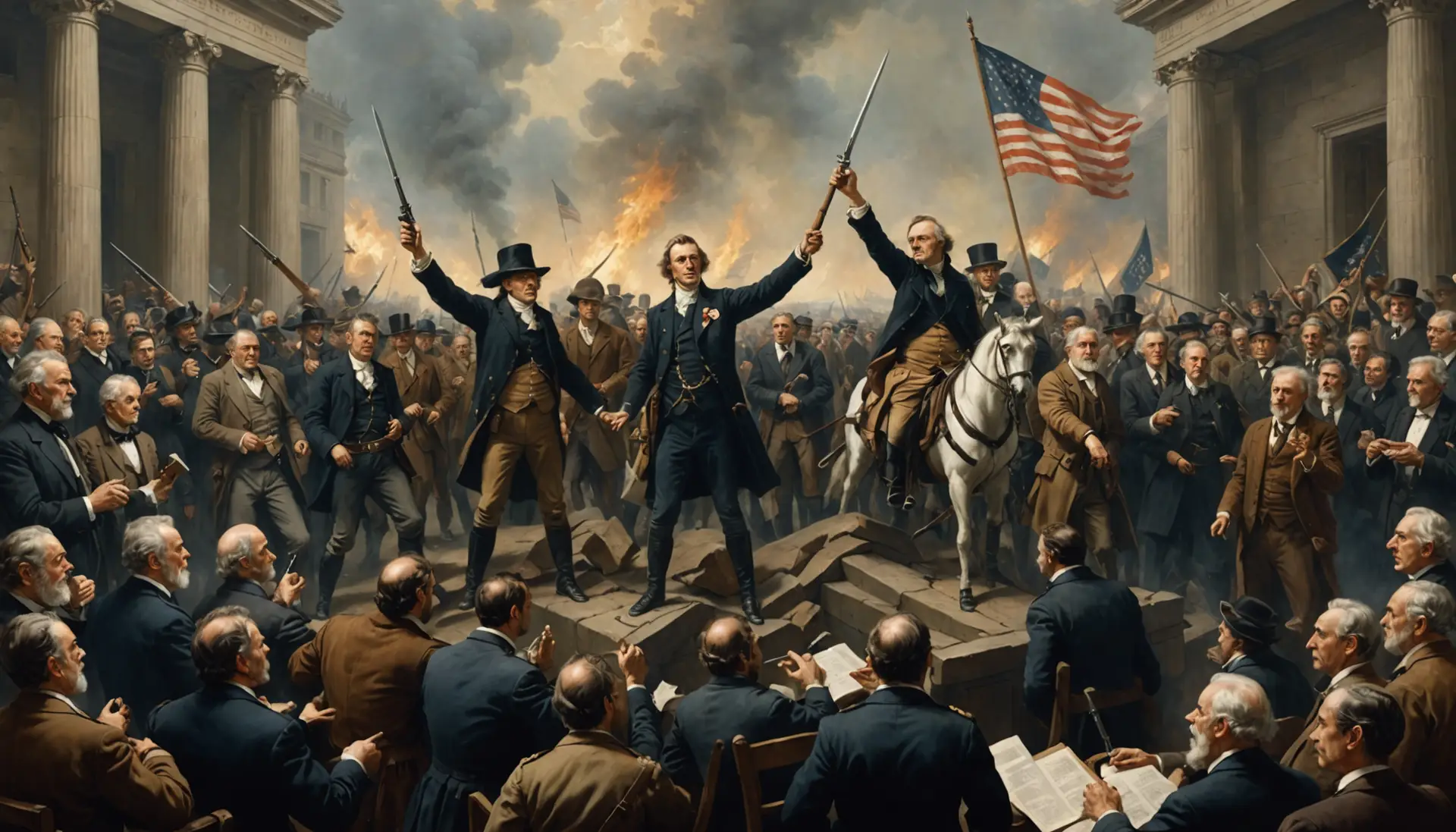
The concept of free speech has deep historical roots, tracing back to ancient civilizations where the exchange of ideas was often a matter of life and death. In ancient Athens, for instance, the practice of democracy was intertwined with the ability to speak freely in public forums. Citizens could voice their opinions on governance, philosophy, and societal norms, which laid the groundwork for the democratic ideals we cherish today. However, this freedom was not universally applied; it was reserved for a select group of male citizens, leaving women, slaves, and foreigners voiceless. This selective application of free speech highlights a persistent tension in its history: the struggle between the ideal of universal expression and the reality of exclusion.
Fast forward to the Enlightenment era, where thinkers like John Locke and Voltaire championed the idea that free speech is a natural right essential for individual autonomy and societal progress. Their writings influenced revolutionary movements across Europe and America, culminating in foundational documents such as the First Amendment to the United States Constitution. This amendment enshrined free speech as a fundamental right, reflecting a collective recognition that open discourse is vital for democracy. Yet, even in this context, the fight for free speech has been fraught with challenges, as various groups have sought to limit expression based on prevailing social norms or political agendas. The historical trajectory of free speech reveals not only its importance but also the ongoing struggle to ensure that it is genuinely accessible to all.
The philosophy of free speech is a complex and often debated topic, touching on issues of expression, censorship, and societal norms. A related article that explores these themes in a unique context is found at this link: Everybody Loves Pineapples and Donuts. This piece delves into the interplay between personal preferences and broader societal expectations, offering insights into how free speech can be both celebrated and challenged in everyday life.
The Importance of Free Speech in a Democratic Society
In a democratic society, free speech serves as a cornerstone for civic engagement and public discourse. It allows individuals to express dissenting opinions, challenge authority, and advocate for change without fear of retribution. This open exchange of ideas is crucial for informed decision-making and accountability within government institutions. When citizens can freely articulate their thoughts and grievances, they contribute to a vibrant public sphere where diverse perspectives can coexist and be debated. This dynamic fosters a culture of critical thinking and encourages individuals to question the status quo, which is essential for the health of any democracy.
Moreover, free speech acts as a safeguard against tyranny. History is replete with examples where authoritarian regimes have stifled dissenting voices to maintain control over their populations. By allowing individuals to speak out against injustice and corruption, free speech empowers citizens to hold their leaders accountable. In this sense, it is not merely a privilege but a necessary condition for justice and equality. The importance of free speech in a democratic society cannot be overstated; it is both a means of individual expression and a collective tool for societal progress.
The Ethical and Moral Justifications for Free Speech

The ethical underpinnings of free speech are rooted in the belief that individuals possess inherent dignity and autonomy. Philosophers like Immanuel Kant argued that rational beings should be free to express their thoughts and ideas as part of their moral agency. This perspective posits that free speech is not just about the act of speaking but about recognizing each person’s capacity for reasoned thought and moral judgment. When we allow individuals to express themselves freely, we affirm their humanity and acknowledge their right to participate in shaping their own lives and communities.
Furthermore, the moral justification for free speech extends beyond individual rights; it encompasses the collective good. A society that values free expression is more likely to foster innovation, creativity, and social progress. When diverse voices are heard, new ideas can emerge that challenge existing paradigms and lead to transformative change. This ethical framework suggests that protecting free speech is not merely an obligation but a moral imperative that benefits society as a whole. By upholding this principle, we create an environment where individuals can thrive and contribute meaningfully to the common good.
The Limits and Responsibilities of Free Speech

While free speech is a fundamental right, it is not absolute. Societies must grapple with the question of where to draw the line between protected expression and harmful speech. Legal frameworks often establish limits on speech that incites violence, constitutes hate speech, or poses a direct threat to public safety. These limitations are grounded in the understanding that while individuals have the right to express their opinions, they also bear responsibility for the potential consequences of their words. The challenge lies in balancing these competing interests—protecting individual freedoms while ensuring that society remains safe and just.
Moreover, the responsibilities associated with free speech extend beyond legal constraints; they encompass ethical considerations as well. Individuals must recognize that their words can have profound effects on others and on societal dynamics. Engaging in thoughtful discourse requires an awareness of context and an understanding of how language can perpetuate harm or foster understanding. In this sense, exercising free speech responsibly involves not only advocating for one’s beliefs but also being mindful of the impact those beliefs may have on marginalized communities or vulnerable populations.
The philosophy of free speech is a complex and often debated topic, touching on issues of expression, censorship, and societal norms. A thought-provoking article that explores these themes is available at this link, where it delves into the implications of free speech in contemporary society. For those interested in understanding the nuances of this philosophical discourse, the article can be found here: explores these themes in depth.
The Role of Free Speech in Challenging Power and Oppression
| Aspect | Metric |
|---|---|
| Definition | The right to express any opinions without censorship or restraint. |
| Importance | Essential for a democratic society, promotes diversity of ideas and fosters open dialogue. |
| Limitations | Does not protect hate speech, defamation, or incitement to violence. |
| Challenges | Balancing free speech with the need to protect individuals from harm or discrimination. |
Free speech has historically played a pivotal role in challenging power structures and advocating for social justice. Movements for civil rights, gender equality, and environmental justice have all relied on the ability to speak out against oppression and demand change. Activists like Martin Luther King Jr., Malala Yousafzai, and Nelson Mandela utilized their voices to confront systemic injustices and inspire collective action. Their legacies remind us that free speech is not merely an abstract principle but a powerful tool for mobilizing communities and effecting real change.
In contemporary contexts, we see similar dynamics at play as marginalized groups continue to fight for recognition and rights through public discourse. The #MeToo movement, for instance, has harnessed social media platforms to amplify voices that have long been silenced by patriarchal structures. By sharing personal stories of harassment and abuse, individuals have challenged societal norms and demanded accountability from those in power. This illustrates how free speech can serve as a catalyst for social transformation, enabling individuals to confront oppression and advocate for justice.
The Intersection of Free Speech and Hate Speech
The intersection of free speech and hate speech presents one of the most contentious debates in contemporary society. On one hand, advocates for unrestricted free expression argue that even offensive or hateful ideas deserve protection under the principle of free speech. They contend that allowing all voices to be heard—even those we find distasteful—ultimately strengthens democratic discourse by exposing harmful ideologies to scrutiny and debate. This perspective aligns with the belief that truth emerges from the clash of ideas; thus, silencing hate speech may inadvertently shield harmful beliefs from critical examination.
Conversely, opponents argue that hate speech poses a direct threat to marginalized communities by perpetuating discrimination and inciting violence. They contend that allowing such speech undermines the very fabric of a democratic society by fostering division and hostility. This perspective emphasizes the need for limits on expression when it directly harms others or incites violence against vulnerable populations. The challenge lies in navigating this complex terrain: how do we protect free speech while also safeguarding individuals from harm? Striking this balance requires careful consideration of context, intent, and impact.
Free Speech in the Digital Age
The advent of digital technology has transformed the landscape of free speech in profound ways. Social media platforms have democratized access to information and provided unprecedented opportunities for individuals to express themselves publicly. However, this newfound freedom has also given rise to challenges related to misinformation, cyberbullying, and online harassment. The rapid spread of information—both true and false—has complicated our understanding of what constitutes responsible discourse in an age where anyone can become a publisher.
Moreover, digital platforms often grapple with their own policies regarding content moderation, raising questions about who gets to decide what constitutes acceptable speech online. These platforms wield significant power over public discourse, leading to concerns about censorship and bias in their decision-making processes. As we navigate this digital landscape, it becomes increasingly important to consider how we can uphold the principles of free speech while also addressing the unique challenges posed by online communication.
Defending Free Speech in the Face of Censorship and Suppression
In an era marked by rising authoritarianism and increasing censorship worldwide, defending free speech has never been more critical. Governments across various regions have sought to suppress dissenting voices through legal restrictions, surveillance, or outright violence against activists and journalists. This suppression not only undermines individual rights but also threatens the very foundations of democracy itself. As citizens committed to justice and equality, we must remain vigilant against these encroachments on free expression.
Defending free speech requires a multifaceted approach that includes legal advocacy, public awareness campaigns, and grassroots organizing. It involves standing in solidarity with those whose voices are silenced—whether they are journalists imprisoned for exposing corruption or activists targeted for speaking out against injustice. By fostering a culture that values open dialogue and dissenting opinions, we can create an environment where free speech flourishes rather than falters. Ultimately, our commitment to defending this fundamental right reflects our dedication to building a more just and equitable society for all.
In conclusion, free speech remains an essential pillar of democratic societies—a principle rooted in history yet continually evolving in response to contemporary challenges. As we navigate complex questions surrounding its limits and responsibilities, we must remain steadfast in our commitment to uphold this right while recognizing its profound implications for justice, equality, and human dignity.
FAQs
What is the philosophy of free speech?
The philosophy of free speech is the belief that individuals should have the right to express their thoughts and opinions without censorship or restraint from the government or other authorities. It is based on the idea that open and unrestricted discourse is essential for the functioning of a democratic society.
What are the key principles of the philosophy of free speech?
The key principles of the philosophy of free speech include the belief in the value of open and robust debate, the importance of protecting unpopular or controversial speech, and the recognition that restrictions on speech can lead to the suppression of ideas and the stifling of progress.
What are the main arguments in support of free speech?
Supporters of free speech argue that it is essential for the discovery of truth, the protection of individual autonomy, the promotion of social progress, and the prevention of government overreach and abuse of power. They also contend that allowing for the expression of diverse viewpoints fosters tolerance and understanding.
What are the limitations of free speech?
While the philosophy of free speech advocates for broad protections, there are limitations to free speech, such as speech that incites violence, constitutes harassment, or involves defamation. Additionally, certain forms of speech, such as obscenity and child pornography, are not protected under the First Amendment in the United States.
How does the philosophy of free speech apply in the digital age?
The philosophy of free speech has become increasingly relevant in the digital age, as debates around online censorship, hate speech, and misinformation have intensified. The rapid dissemination of information and the global reach of online platforms have raised new challenges and considerations for the application of free speech principles.